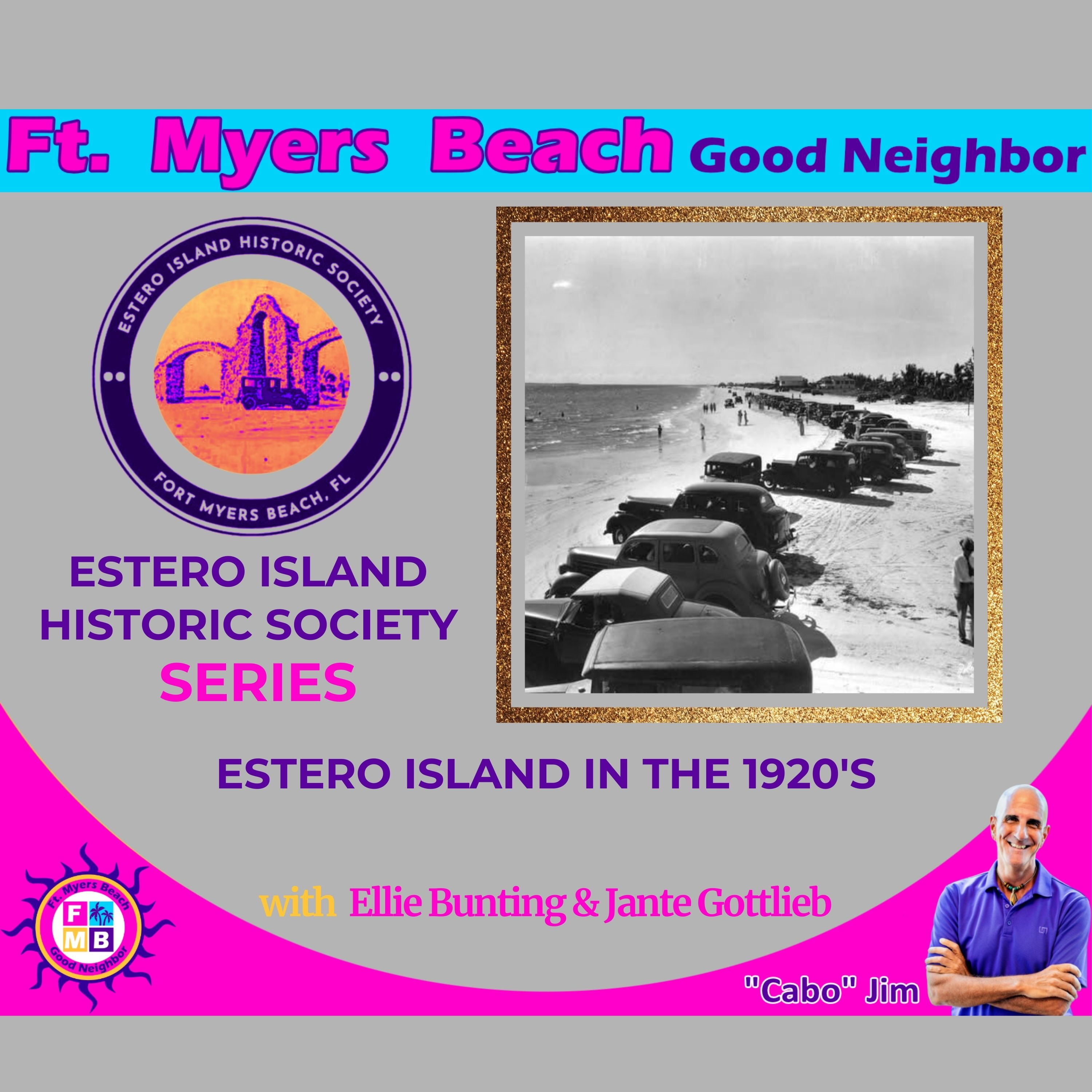
FMBGN-EIHS-From Calusa Kingdom To Koreshian Dreams: How A Barrier Island Took Shape - Copy
A coastline that once stretched 40 miles farther west. Cities made of shells. A prophet who promised to rise again—and a hurricane that stole his tomb. We open our new series by tracing the improbable birth of Fort Myers Beach, from shifting sands and mangrove roots to the people who carved a life from tides, storms, and stubborn hope.
We start with the island’s geology, where ice ages and currents stitched together a barrier of sand that never stops moving. That living landscape set the terms for the Calusa, a maritime powerhouse who built Mound Key and other shell mounds into elevated hubs, canals, and ceremonial spaces. Spanish contact unraveled their world through disease and enslavement, and in the quiet that followed, Cuban ranchos turned the shoreline into a seasonal engine for Havana’s fish markets.
As surveys unlocked homesteading, a new chapter took root on Calusa middens. The Mound House stands on layered history, even as other mounds were quarried to pave roads—an irrevocable loss buried under asphalt. Enter the Koreshians, followers of Cyrus Teed, whose hollow-earth cosmology fueled very real industry: cement works, power generation, land deals, and cultural events that shaped Estero and the island’s early development. Their leader’s death and the 1921 storm left tangible myths and missing markers, but their organizational footprint endured in deeds and place names.
Enterprise matured through Sanders Boatyard, the island’s first supply line, and the 1912 Beach Hotel, with its pier that finally connected visitors to shore. For decades it was the heart of community life, proof that hospitality could thrive at the edge of the Gulf. Along the way we sit with the realities of life before air conditioning—mosquitoes, yellow fever risks, and farms that rose and fell with freezes and hurricanes. The throughline is resilience: a rhythm of boom and lull that still defines barrier-island living.
If you love Florida history, coastal archaeology, the Calusa, Koreshian State Historic Site, or the hidden stories beneath Fort Myers Beach, you’ll feel right at home. Hit play, then share the moment that surprised you most, subscribe for the next chapter in our series, and leave a quick review to help more curious neighbors find us.
Estero Island Historic Society
161 Bay Road Fort Myers Beach, Florida, 33931
esteroislandhistoricsociety.org
Ft Myers Beach-Good Neighbor
To Nominate Someone to be Featured
Or
To Subscribe to the Newsletter
CLICK HERE
https://cabowabojim.com/listen-to-podcasts/